




 Save
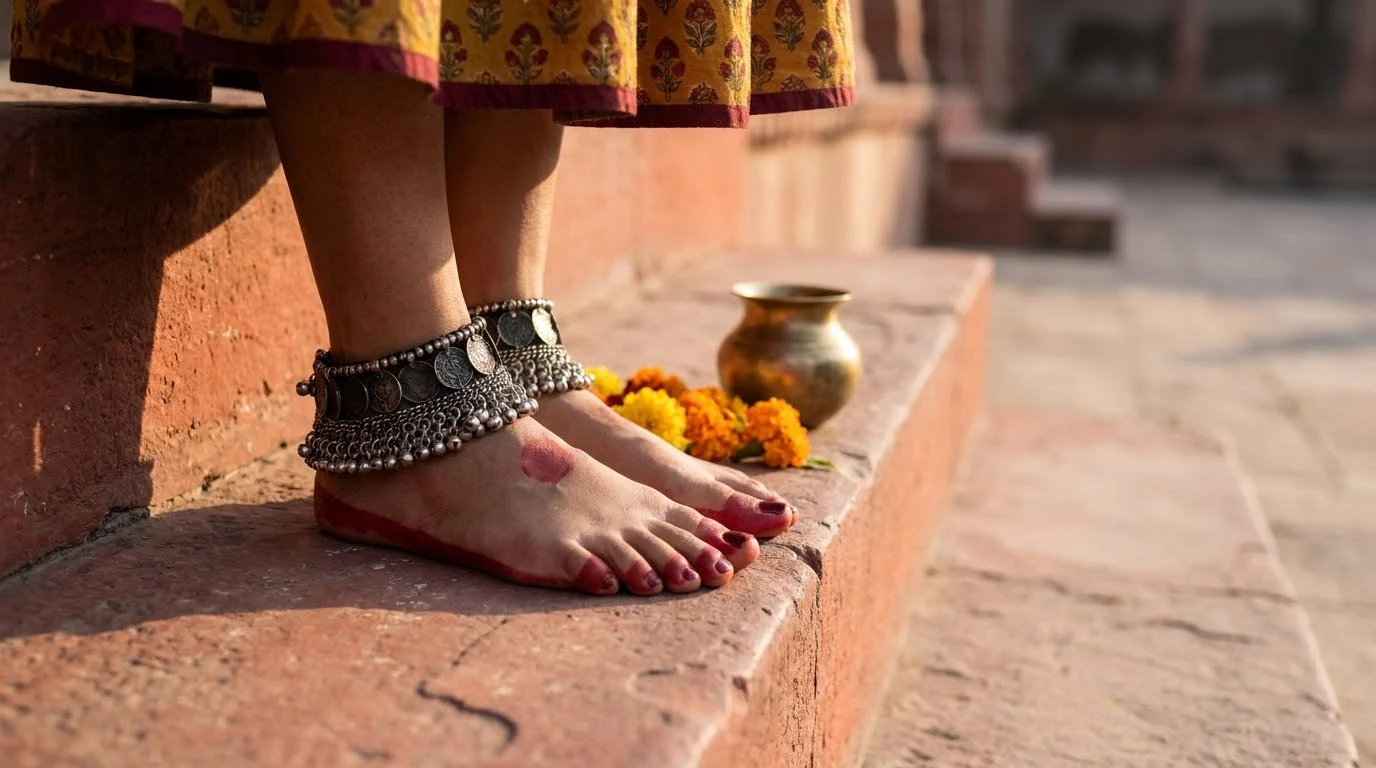
There is a reason so many Indian love songs are about the sound of payal. The soft chime of ghungroo at the ankle announces a woman before she enters the room, and for generations the payal has been one of the first pieces of jewellery a girl is given. Today payal and anklets are worn far beyond weddings: a black thread anklet with jeans, a fine chain with a summer dress, a heavy ghungroo pair for the sangeet. In this guide, the team at Keyura Jewellery in Dehradun explains what a payal is, how it differs from an anklet, and walks you through 20 payal designs for women, girls and brides, with tips on size, comfort and care.
Payal meaning: payal, pajeb, jhanjhar and anklet
All of these words describe jewellery worn around the ankle, but in India they carry slightly different pictures:
- Payal: the everyday Hindi word, usually a chain with ghungroo or small motifs, worn in pairs.
- Pajeb (or pazeb): a broader, heavier payal, often with several rows of bells, worn by brides.
- Jhanjhar: the Punjabi name, typically a heavy, noisy anklet made famous by Punjabi folk songs.
- Anklet: the English word, now used mostly for single, fine chains worn as a fashion piece.
- Kolusu in Tamil and golusu in Telugu are the South Indian names for the same ornament.
Like the bichiya (toe ring), the traditional payal is silver or silver-tone rather than gold. A widely held belief is that gold should not be worn on the feet, so payal and bichiya are almost always white metal.
A payal is jewellery you hear before you see.
Payal or anklet: one foot or both?
A traditional payal is worn as a pair, one on each ankle. A fashion anklet is often worn on one ankle only, usually the left, and sometimes layered with a second, finer chain. There is no rule you must follow; pick what suits your outfit. For weddings and festivals, wear the pair. For a casual day, a single anklet looks modern and effortless.
20 payal designs for women, girls and brides
Here are 20 payal and anklet designs from the Keyura Jewellery collection, grouped into five families. Everything below was in stock at the time of writing.
Ghungroo and oxidised payal
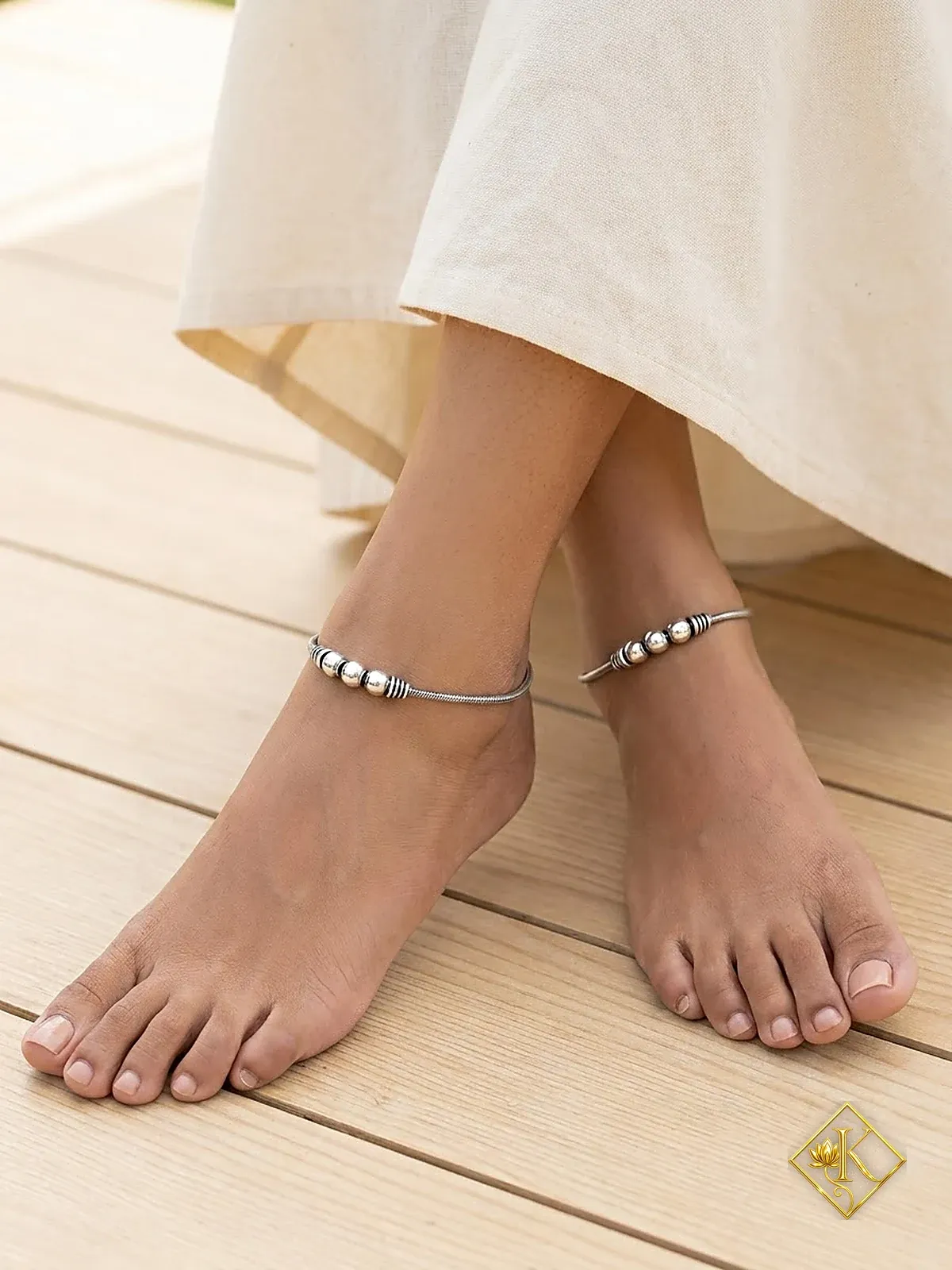
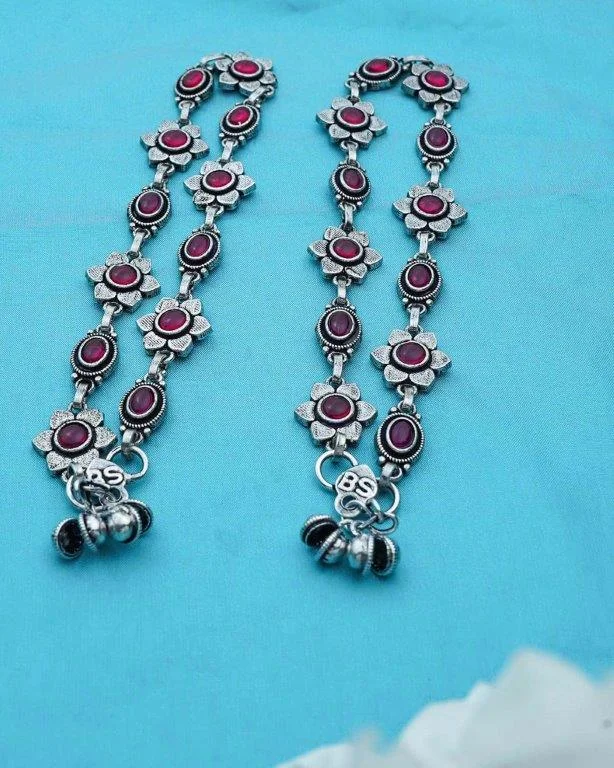
1. The heavy ghungroo payal. Layered rows of tiny bells in oxidised silver tone. This is the payal that sings, perfect for the sangeet, garba and dance.
2. The snake chain payal with bell charms. A smooth oxidised snake chain with a barrel bead cluster and bells, lighter than a full ghungroo pair.
3. The flower and oval link payal with ghungroo. Linked flowers and ovals with a soft fringe of bells.
4. The crescent moon cuff anklet. An open silver-tone cuff with a crescent moon and a round stone, easy to slip on and off.
Shop ghungroo and oxidised payal
Shop all →
 New

Stone-set payal in colours
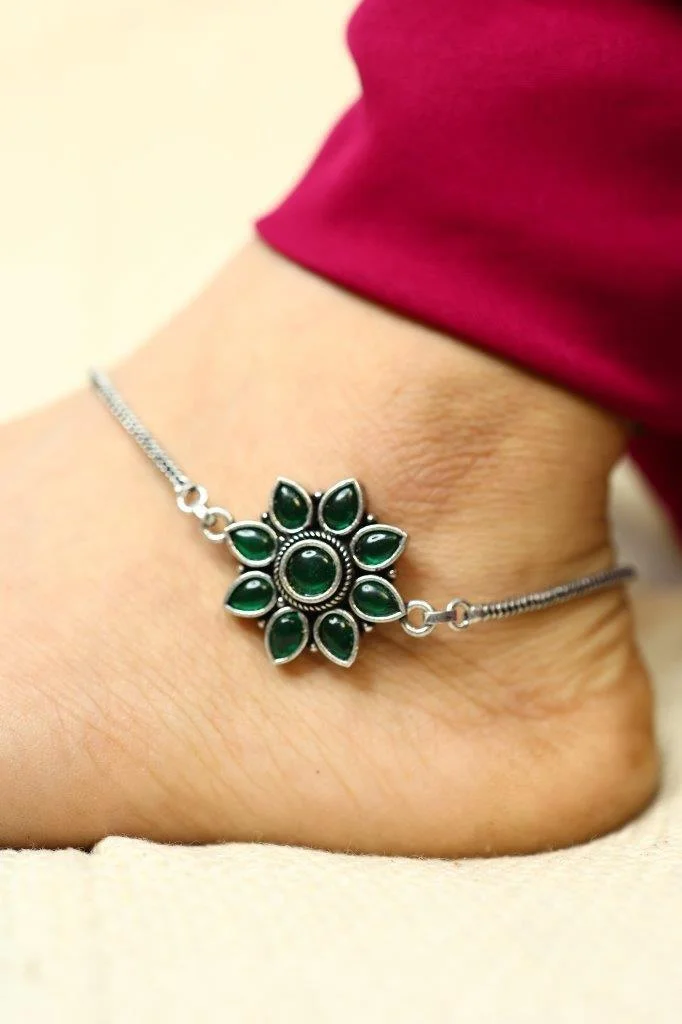
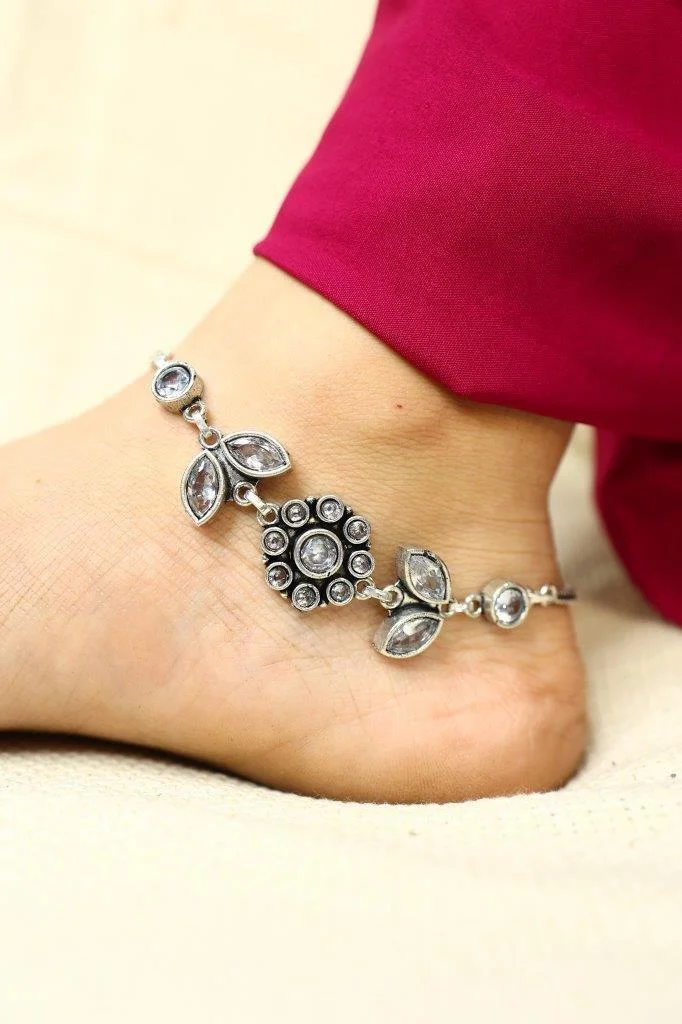
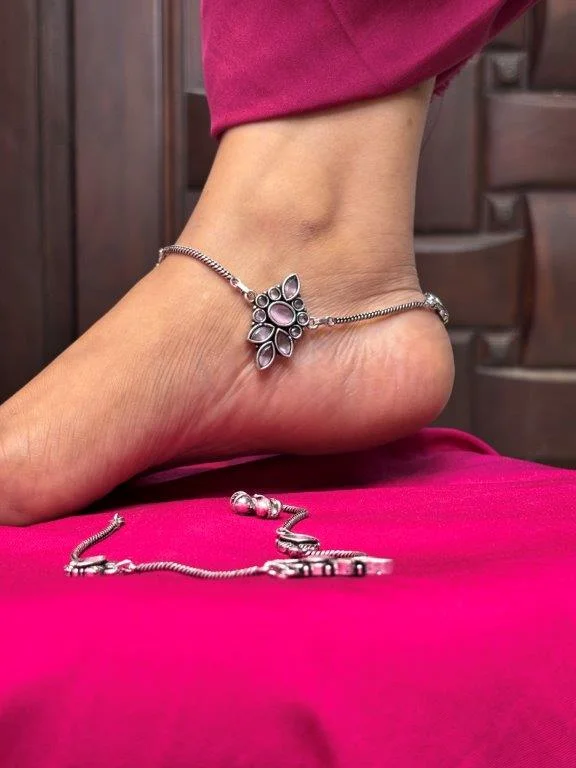
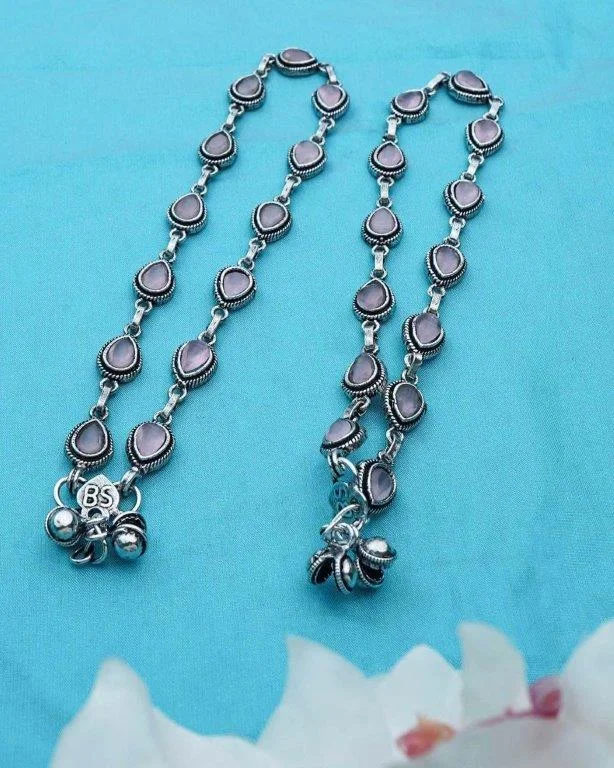
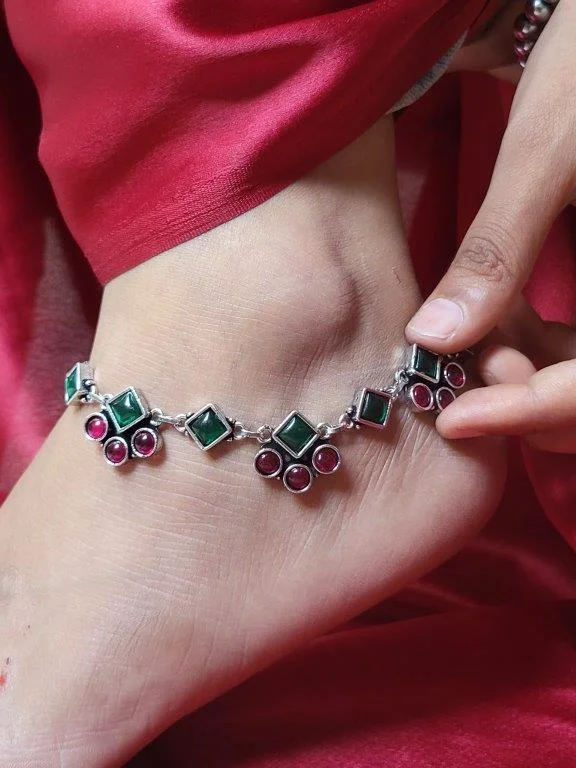
These payals are made in oxidised metal with glass and CZ stones set in closed bezels, and come in several colours so you can match your outfit.
5. The single medallion payal. One medallion on a flat curb chain. Simple, graceful and good for daily wear.
6. The eight-petal flower payal. A row of small flowers on a fine chain.
7. The rosette and leaf payal with marquise stones. A richer design for festivals.
8. The six-petal flower payal with teardrop. Little drops that move as you walk.
9. The butterfly link payal. Butterflies set with pear-cut stones, a favourite with young brides.
10. The small lotus cluster payal. Lotus clusters on a rope chain.
11. The fine kite stone payal with pearl drops. Kite-shaped stones and tiny pearls, delicate and feminine.
12. The teardrop stone line payal. A line of teardrops in rope bezels.
13. The square cabochon payal. Three stone clusters, bold enough for a lehenga.
Shop stone-set payal
Shop all → New
 New
 New
 New
 New
 New
 New
 New
 New
Black thread anklets
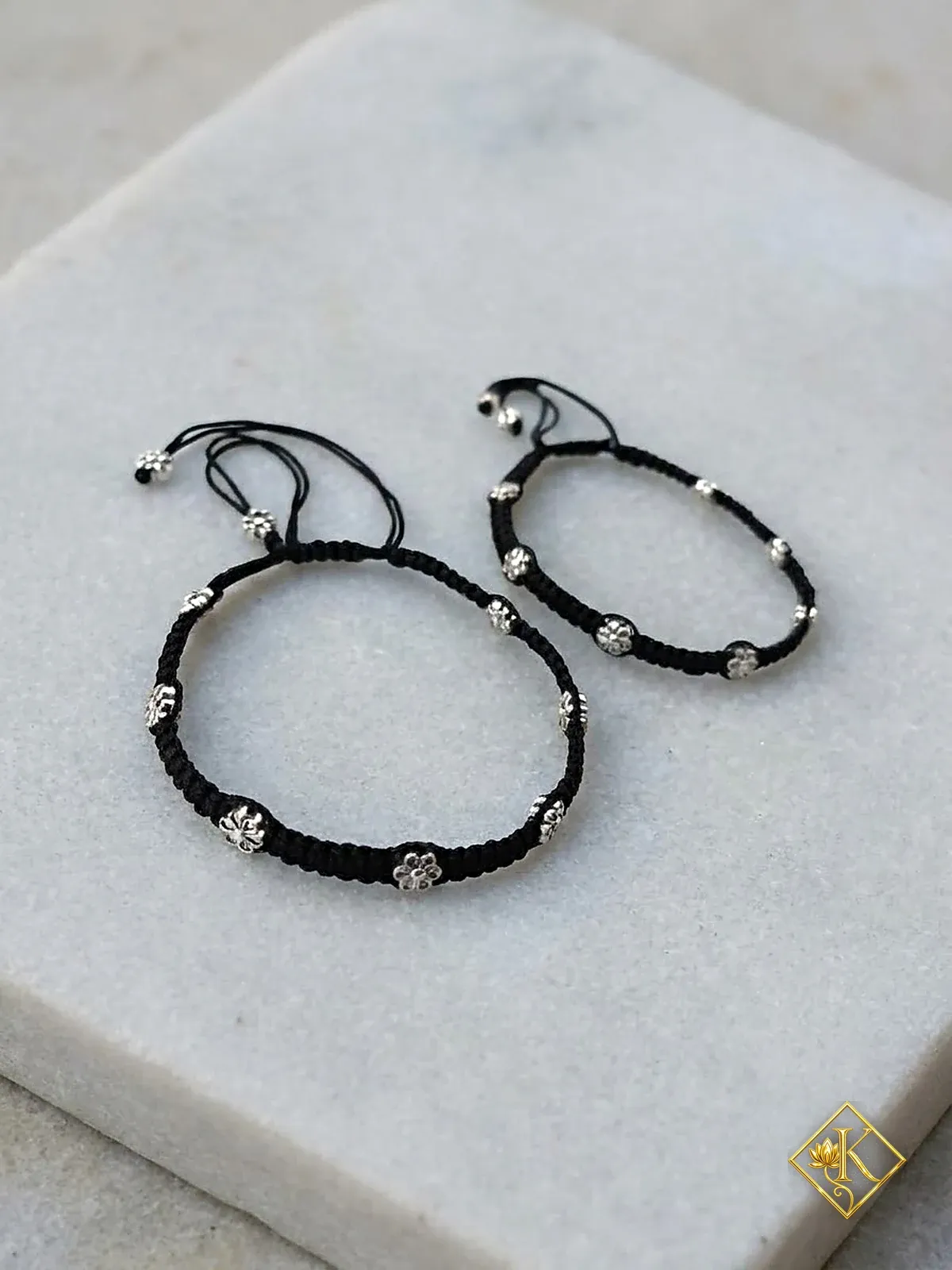
The black thread anklet (kala dhaga payal) is the most popular everyday anklet in India. Many people wear it for protection from the evil eye; others simply love how it looks on bare feet.
14. Black thread anklets with silver flower beads. Sold as a pair, adjustable, and only ₹129.
15. The oxidised leaf charm black bead anklet. Black beads with a small silver leaf.
16. The butterfly charm black thread anklet. A German silver butterfly on black thread.
17. The macrame black thread anklet pair. A woven macrame band with flower beads.
Shop black thread anklets
Shop all →



Anti-tarnish gold anklets
Want a gold-tone anklet you can wear every day? Choose anti-tarnish, which keeps its colour longer with simple care. Read our guide to anti-tarnish jewellery to see how it works.
18. The star charm anklet with crystal drops. A fine gold-tone chain with tiny stars.
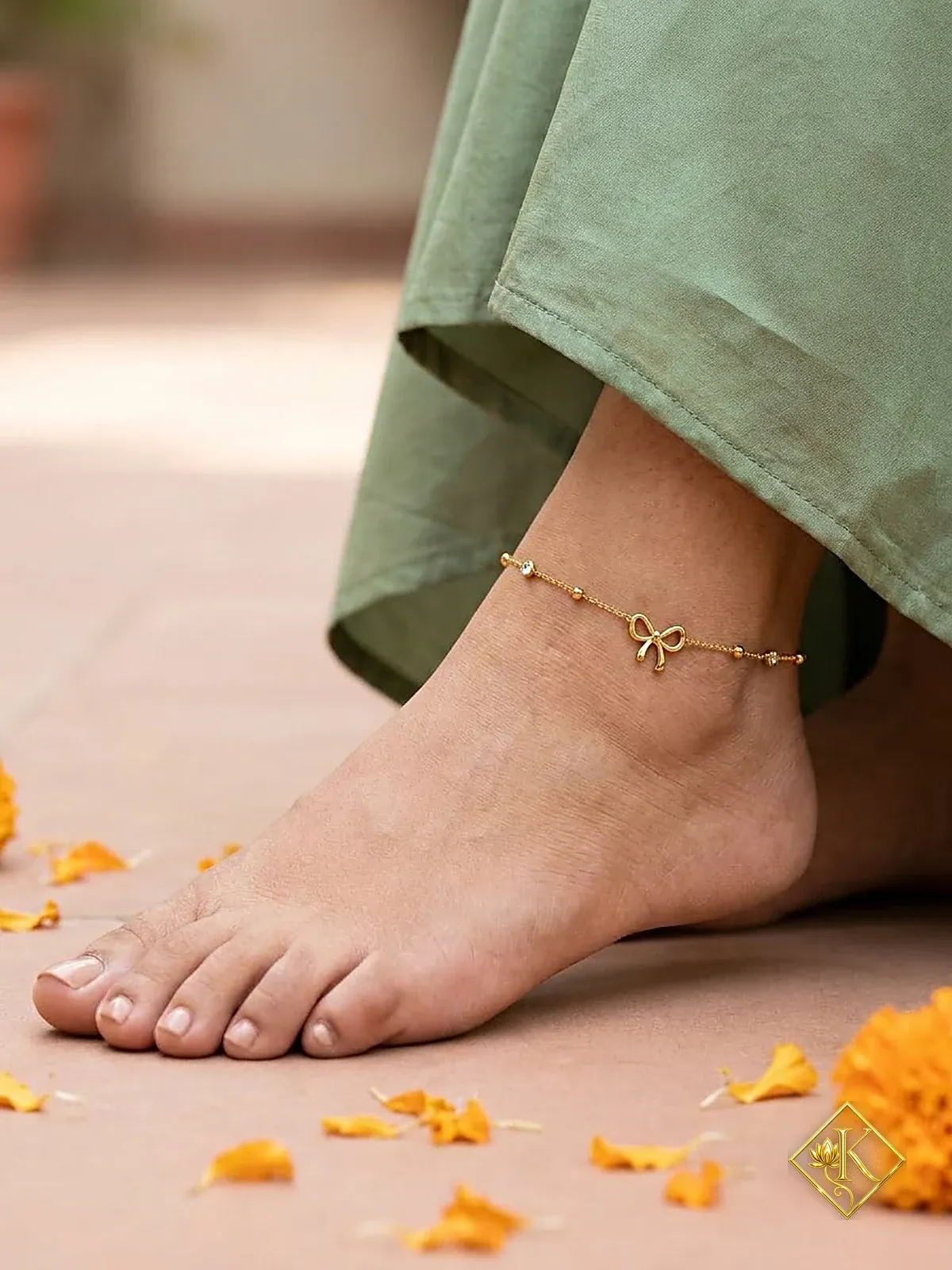
19. The bow charm anklet with bead stations. Little bows and beads, sweet with summer dresses.
Shop anti-tarnish anklets
Shop all →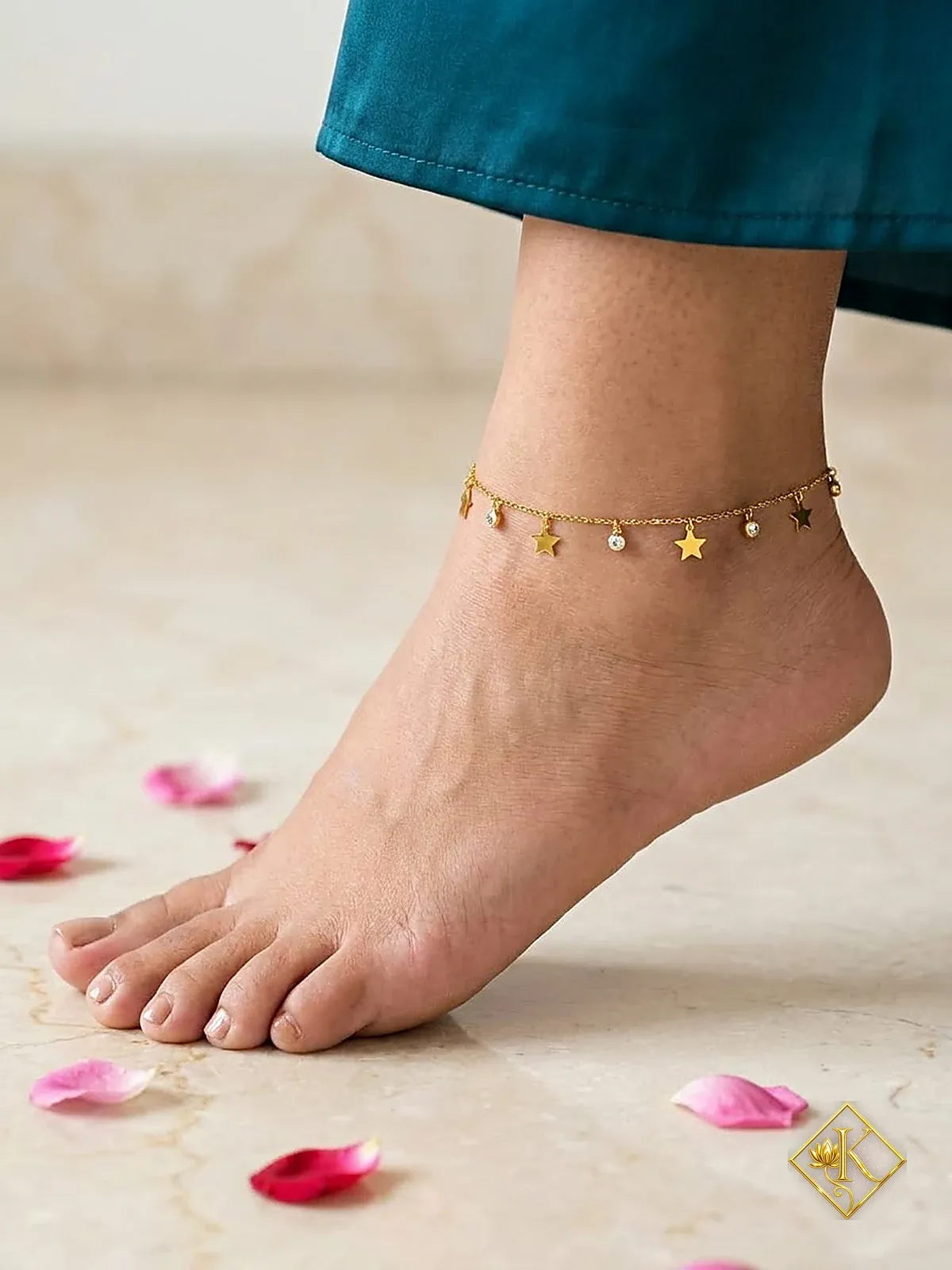
Payal for brides
20. The bridal pairing: payal, bichiya and alta. A bride's feet are dressed as carefully as her hands. Choose a heavy ghungroo or stone payal, add bichiya toe rings in the same finish, and finish with red alta. If you love a single piece that links the two, look for a chain bichiya that runs across the foot.
How to choose the right payal
| If you want… | Choose | Why it works |
|---|---|---|
| Daily wear | Black thread or a fine single-motif chain | Light, quiet and comfortable all day |
| Office or college | Anti-tarnish gold anklet or a slim stone payal | Neat with flats and sandals, keeps its colour |
| Festivals and garba | Ghungroo or snake chain payal with bells | The chime is half the joy |
| Bride or sangeet | Heavy ghungroo, stone payal in your outfit colour, plus bichiya | Fills the foot and photographs beautifully |
| Western outfits | A single anklet on one foot | Modern and effortless |
Payal size: how to get the right fit
- Measure your ankle just above the ankle bone with a soft tape, then add about 2 to 3 cm so the payal can move.
- Most women need a payal of around 24 to 27 cm. Black thread anklets are adjustable, so one size fits most.
- The payal should rest on the top of the foot at the front and sit just above the heel at the back, never tight on the ankle bone.
- Payal for girls are shorter; measure the same way and check the length on the product page.
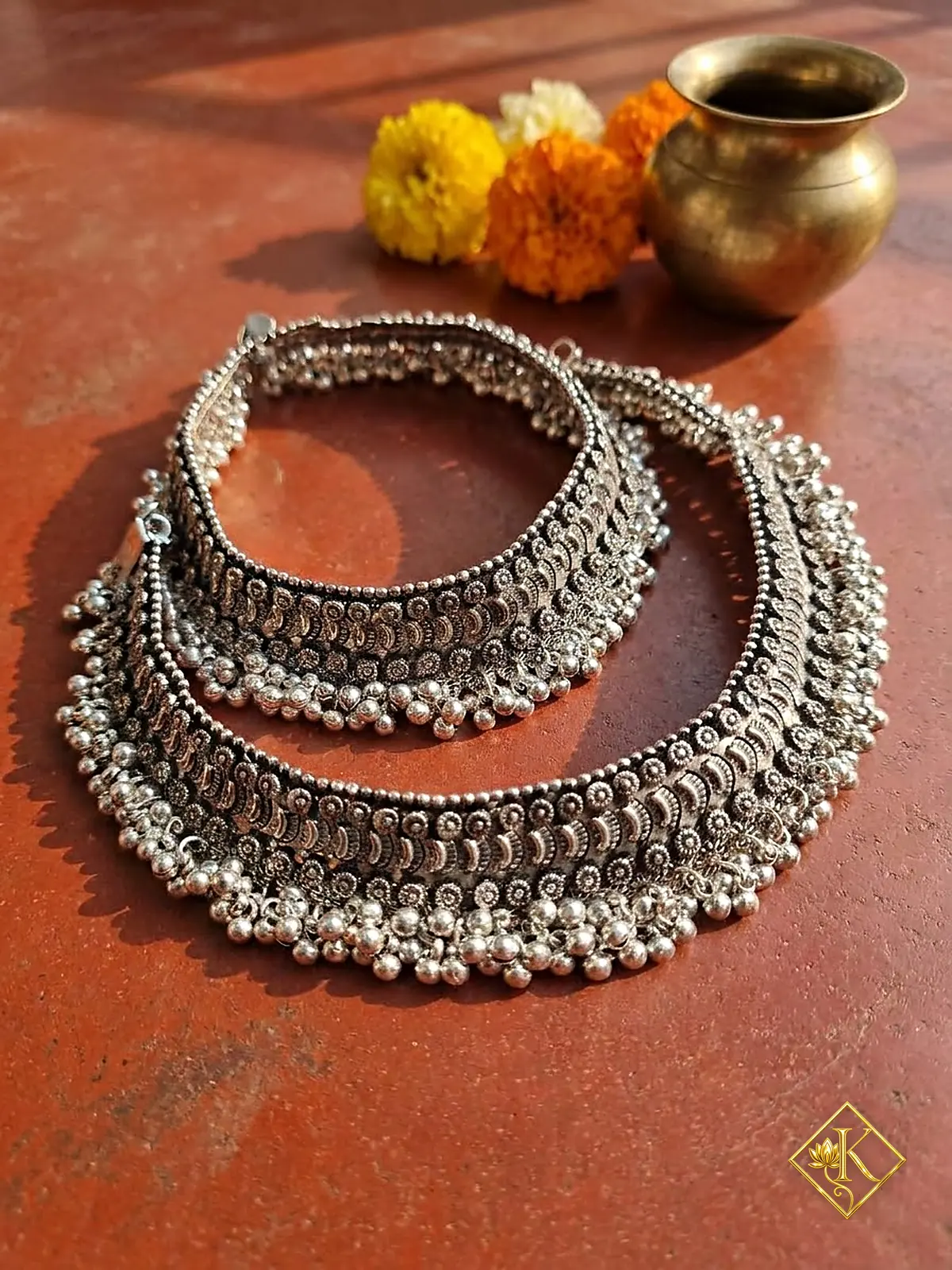
Oxidised Heavy Ghungroo Payal Pair
Description
Specification
Metal
Stones
Care guide
How to wear payal comfortably
- Check the clasp first. A secure hook or lobster clasp keeps the payal from slipping off on a busy day.
- Heavy ghungroo payals are best for a few hours, not for walking all day.
- With socks or closed shoes, choose a flat chain or black thread anklet so nothing presses into the skin.
- At night, take your payal off so the bells and stones do not catch on bedding.
Payal price guide
Pure silver payals are priced by weight, so they cost more as the silver rate rises. Fashion payals give you many looks for less. At Keyura Jewellery, black thread anklets are ₹129 a pair, crescent cuff and fine anklets start at ₹149, anti-tarnish gold anklets are ₹229, oxidised ghungroo payals are around ₹249 to ₹369, and stone-set payals are around ₹379 to ₹570.
How to care for your payal
- Payals meet water and dust every day; wipe them with a soft dry cloth after a bath or a walk in the rain.
- Keep soap, floor cleaners and perfume away from them.
- Store each pair in its own pouch so the bells and chains do not tangle.
- Oxidised payals are meant to look antique; do not polish them with silver dips.
Why buy payal from Keyura Jewellery?
Keyura Jewellery is a jewellery house based in Dehradun, in the Devbhoomi of Uttarakhand. For years we supplied jewellery to retailers across India, and today we bring the same pieces directly to you at factory rates.
- Payals for every day and every celebration, from ₹129 black thread pairs to stone-set bridal payals.
- A registered business you can verify: GST invoice with every order, and a verified seller on Amazon and Flipkart.
- Fast dispatch: orders placed before 4 PM IST leave the same day, Monday to Saturday, and reach most of India in 2 to 5 working days.
- Worldwide delivery: tracked shipping abroad, typically 5 to 12 working days, with prices shown in your currency.
Dressing a bride? Add a hathphool, a maang tikka and one of our bridal jewellery sets. For a statement occasion, explore Keyura Luxe, and for festival shringar for Laddu Gopal and Radha Rani, visit Shubbushrii.